October 26, 2026
How SEO Software Transforms Your Site's Performance
By @seosoftwaremedia
I have been in the digital marketing space for over a decade, and I have seen tools come and go. But the shift in how we approach search optimization has been profound. Early on, I relied heavily on manual checks and gut feelings. Now, I lean on solid data from dedicated platforms. The right seo software does not just save time. It changes how you see your own site.
Years ago, I worked with a mid-sized e-commerce client. They had a strong product line but could not break into the first page for their main terms. We tried content changes, but nothing stuck. It was only when we brought in a proper seo software setup that we saw why. The platform showed us that their internal linking was a mess and that their best pages were competing against each other. That insight alone shifted our strategy. Within three months, organic traffic jumped by forty percent. That experience taught me that data-driven decisions beat intuition every time.
What Makes SEO Software Essential Today
Google processes billions of searches every day. The algorithms behind those results have grown incredibly complex. RankBrain, Core Web Vitals, and structured data are not optional considerations anymore. They are fundamental to how your pages get evaluated. Trying to track all these ranking factors manually is a fool's errand. That is where dedicated tools come in.
Modern seo software brings together data from multiple sources. It crawls your site like a search engine would. It checks page speed, mobile usability, and indexation status. It looks at your backlinks and compares them to competitors. It even monitors SERP features like featured snippets and knowledge panels. Without a tool, you are flying blind. With one, you have a roadmap.
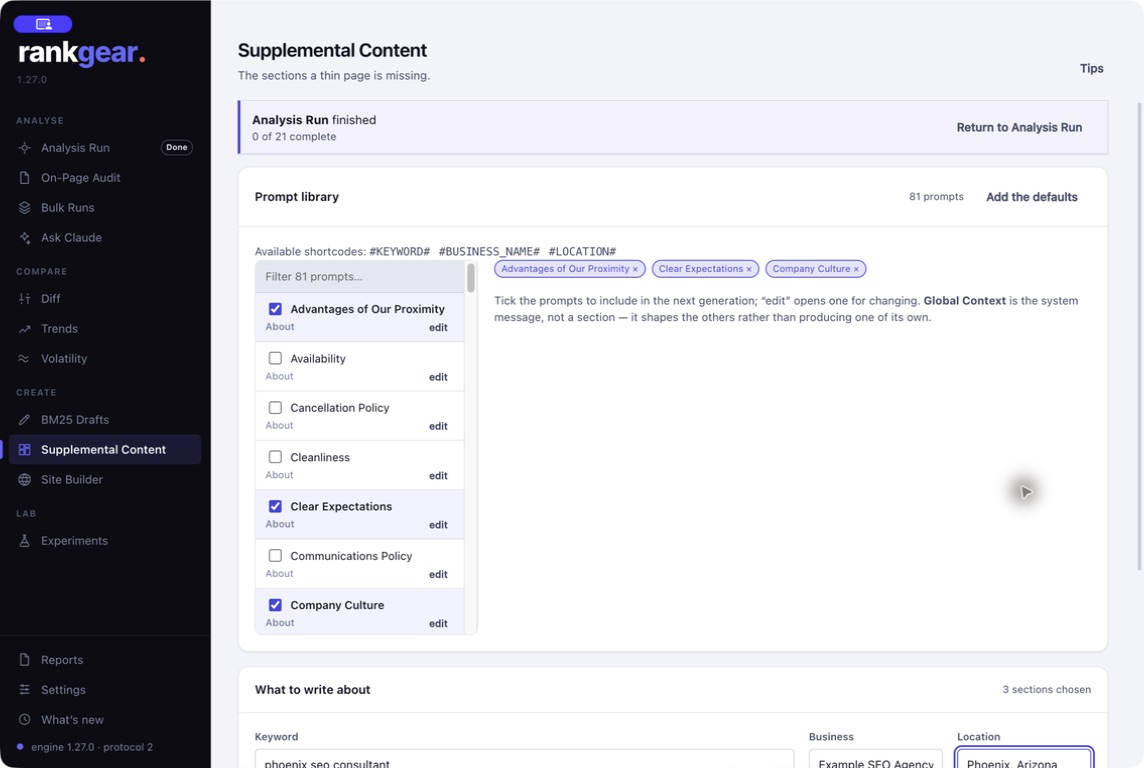
I remember a project where a client had a sudden traffic drop. Panic set in. We pulled up Google Search Console and saw a spike in 404 errors. But the real cause was a botched migration that broke hundreds of internal links. The seo software flagged those broken links within minutes. Manual auditing would have taken days. That speed makes a difference when your revenue depends on search traffic.
Key Capabilities to Look For
Not every tool fits every need. But certain features separate useful platforms from noise. Here is what I look for in any serious option:
- Comprehensive site crawling and SEO audit capabilities that surface technical issues like duplicate content, missing meta tags, and redirect chains.
- Deep keyword research and competitor analysis that shows not just volume but also intent and SERP features.
- Backlink analysis that goes beyond counting links and evaluates link quality and anchor text distribution.
- Integration with Google Search Console and other data sources to pull in real performance metrics.
- Actionable recommendations, not just raw data. The best tools tell you what to fix and why.
I have used Moz, Ahrefs, and SEMrush extensively. Each has strengths. Moz has excellent link metrics and a great community. Ahrefs is unmatched for backlink analysis. SEMrush shines in keyword research and competitive intelligence. But the real value comes from how you use the data, not which brand you pick.
From Data to Action: On-Page and Technical SEO
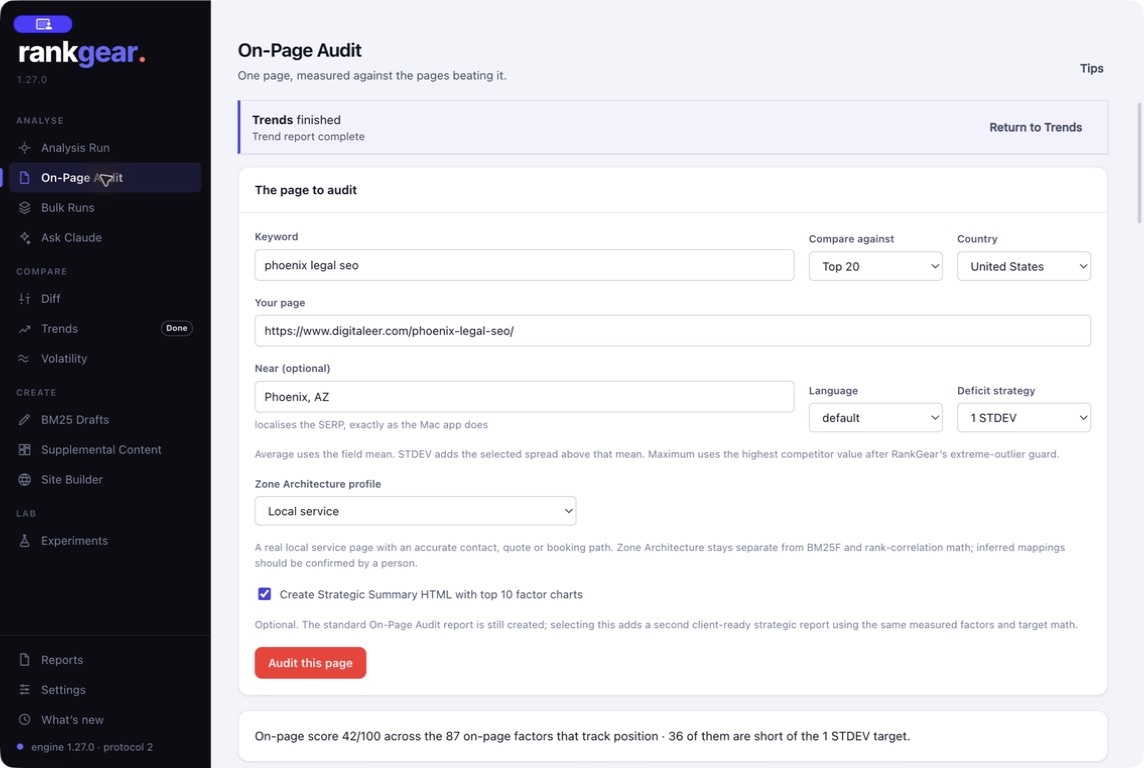
Data alone does not move the needle. You have to act on it. On-page optimization used to mean stuffing keywords into title tags. Now it involves understanding user intent, crafting compelling meta descriptions, and ensuring content matches what people actually search for. A good tool will highlight pages where your on-page signals are weak.
Technical SEO is even more critical. Core Web Vitals measure page experience. Google's PageRank still matters, but it is one of many signals. Structured data helps your pages qualify for rich results. The seo software I rely on flags missing schema markup and slow-loading elements. It also prioritizes fixes by potential impact. That prioritization is gold when you have limited dev resources.
One case sticks with me. A SaaS client had a blog with hundreds of articles. Many were outdated and cannibalizing each other. We ran a content audit using the tool. It showed us which pages had the most link equity and which ones were dragging down the rest. We consolidated weak pages into stronger ones and added internal links from high-authority posts. That simple restructuring boosted overall domain authority and lifted rankings across multiple terms.
The Role of Link Building and Competitor Analysis
Link building remains a heavy lift. But it does not have to be guesswork. With backlink analysis, you can see exactly who links to your competitors and why. You can identify broken links on authoritative sites and offer your content as a replacement. You can spot patterns in anchor text that Google might view as unnatural. Tools like Ahrefs and Moz make this process systematic.
Competitor analysis goes hand in hand. I have seen teams waste months chasing keywords they could never rank for because they did not check the competition first. The right platform shows you the SERP features dominating a query, the domain authority needed to compete, and the content gaps you can exploit. It turns competitive intelligence into a repeatable process.
Avoiding Common Pitfalls
Even the best tools can lead you astray if you misuse them. I have seen people obsess over keyword rankings without checking whether those rankings drive conversions. I have watched teams run SEO audits every week but never fix the issues. The tool is not a magic wand. It is a diagnostic instrument. You still need a skilled practitioner to interpret the results and prioritize the work.
Another trap is data overload. Many platforms spit out hundreds of metrics. If you try to act on all of them, you will burn out. Focus on the metrics that align with your business goals. If you care about organic revenue, watch traffic to money pages and conversion rates. If you care about brand visibility, track impressions and share of voice. Let the tool serve your strategy, not the other way around.
Practical Workflow with SEO Software
Here is a simple workflow I use with every new engagement:
- Run a full SEO audit to surface technical issues and content gaps.
- Analyze the top five competitors for the target keywords. Note their backlink profiles and content strategies.
- Identify quick wins: broken links, missing title tags, thin content pages.
- Create a prioritized list of changes based on effort versus potential impact.
- Re-audit after implementing changes and track movements in rankings and traffic.
This cycle turns the tool from a static report into a living part of your optimization process. I have used this approach with dozens of clients across different industries. It works because it forces you to act on data rather than just collect it.

Search Engine Land and other industry publications often highlight how algorithm updates change the landscape. But the fundamentals remain. Quality content, solid technical foundation, and authoritative links still drive long-term success. The difference is that you now have tools to measure and improve each of those pillars with precision.
If you have not yet integrated a robust platform into your workflow, now is the time. The gap between sites that use data and those that do not is widening. The best seo software will not replace your expertise. It will amplify it. And that combination of human judgment and machine analysis is what separates winning strategies from guesswork.
❧